Mold Remediation & Removal in South Jersey
Mold damage often takes more than cleanup. HRF handles mold remediation, removal of affected materials, and the reconstruction that restores your space. With experience on insurance-related projects, we provide detailed written scopes and coordinate the work from remediation through finished walls.
- Mold remediation & removal
- Insurance-related project experience
- Rebuilt through finished walls
NJ HIC# 13VH07742000 · Free, detailed written estimates
What We Handle
Mold Problems We Address
Mold needs moisture, so every project starts with where the water came from and what it has affected.
Drywall and ceilings
Stains, soft spots or visible growth after a leak or long-running moisture.
Basements
Persistent dampness or water intrusion, and the mold that can follow.
Bathrooms
Deteriorated drywall, trim and finishes around showers, tubs and plumbing walls.
Water-damaged interiors
Materials that stayed wet after a leak, appliance failure or roof or window intrusion.
Found during renovation
Mold discovered when walls are opened for a remodel or repair.
Concealed damage
A musty odor or recurring moisture with no obvious source.
HVAC systems, structural problems, and older materials that may contain lead or asbestos can call for other specialists. We will say when a project does.
How We Work
Our Mold Remediation Process
Initial project review
We walk the affected area, ask about the water history, and note what we see. If an independent assessor or another specialist is needed first, we say so up front.
Find and correct the moisture source
Mold returns when moisture does. The leak, condensation or water intrusion has to be corrected before rebuilding, within our scope or by the right trade, such as a plumber or roofer.
Plan the work area
We plan how the work area will be separated from the rest of your home and how affected materials will be removed and handled. The protection needed depends on the size and location of the damage.
Remove affected materials
Moldy or long-wet materials are removed rather than painted over. Absorbent materials such as drywall often cannot be cleaned completely, so replacement is common.
Clean up and dry
The area is cleaned and allowed to dry. EPA advises drying water-damaged areas and items within 24 to 48 hours; drying time depends on the materials and conditions.
Verify before rebuilding
Before walls are closed up, we confirm the moisture source has been addressed and the framing and surfaces are dry and sound. If you want an independent assessment, we work from the assessor's findings.
Restore the interior
New drywall, insulation or framing repairs where needed, finishing, priming, paint and trim bring the space back.
Methods and protection vary by project. Your written estimate describes what will be done on yours.
Testing and Remediation Are Different Jobs
EPA says sampling is usually unnecessary when mold is visible; the priority is to fix the moisture problem and clean up. When testing or an independent assessment is called for, the New Jersey Department of Health recommends a different company for testing than the one doing the remediation, to avoid a conflict of interest.
Before Anything Gets Painted
Why Painting Over Mold Is Not a Fix
Paint can hide a stain, but it does not remove mold or stop the moisture that feeds it. EPA puts it simply: “The key to mold control is moisture control.”
If the water problem is not corrected, mold can return and break down new paint and drywall. EPA also notes that porous materials may have to be thrown away once they become moldy. That is why we deal with moisture and affected materials first, then prime and paint a sound, dry surface.
Guidance referenced: EPA, Mold Cleanup in Your Home · EPA, A Brief Guide to Mold, Moisture and Your Home · NJ Department of Health, Mold Guidelines for New Jersey Residents
Insurance-Related Projects
Mold and Water Damage Projects Involving Insurance
HRF has worked on insurance-related damage projects, so we know a clear estimate and scope help the conversation with your insurer. We provide the documents; your insurer decides what your policy covers.
-
A detailed written estimate
The work, materials and price, in writing, before anything starts.
-
A defined scope of work
What will be removed, repaired and rebuilt, and what is not included.
-
Remediation and reconstruction, kept distinct
These are different phases of work, and a policy may treat them differently. Where it helps, we describe them separately in the estimate.
Using these documents with your insurer
- ✓ Share the written estimate and scope when you report or document the damage.
- ✓ Ask your insurer which documents and photos it requires.
- ✓ Take your own photos of the damage before work begins.
Coverage depends on your policy
Whether mold or water damage is covered depends on your individual policy and the cause of the damage. HRF is a construction contractor, not an insurance adjuster, and cannot say what your insurer will cover.
Request an estimate for your projectAfter Remediation
Complete Reconstruction, Coordinated With the Remediation
Many remediation projects leave a second job behind: open walls and unfinished surfaces. Because HRF is a construction company, we plan removal and reconstruction together and coordinate licensed trades where a project needs them.
-
Drywall replacement
Damaged sections replaced and tied into surrounding walls and ceilings. See drywall repair.
-
Taping, skim coat and Level-5 finishes
Smooth, even surfaces that hold up under raking light.
-
Priming and interior painting
A sound, dry surface first, then primer and paint. See interior painting.
-
Insulation and framing repairs
Where damage extends behind the drywall and the project calls for it.
-
Trim and finish carpentry
Baseboards, casings and other trim reinstalled or replaced.
-
Bathroom and basement restoration
Related rebuilds, including bathroom remodeling and basement finishing.
Not every project needs every step, and specialty trades such as plumbing or HVAC are coordinated as needed.
Real HRF Work
Examples of Our Reconstruction Work
These real HRF projects show the rebuilding stage: new drywall, finishing and paint. They are not mold remediation projects.
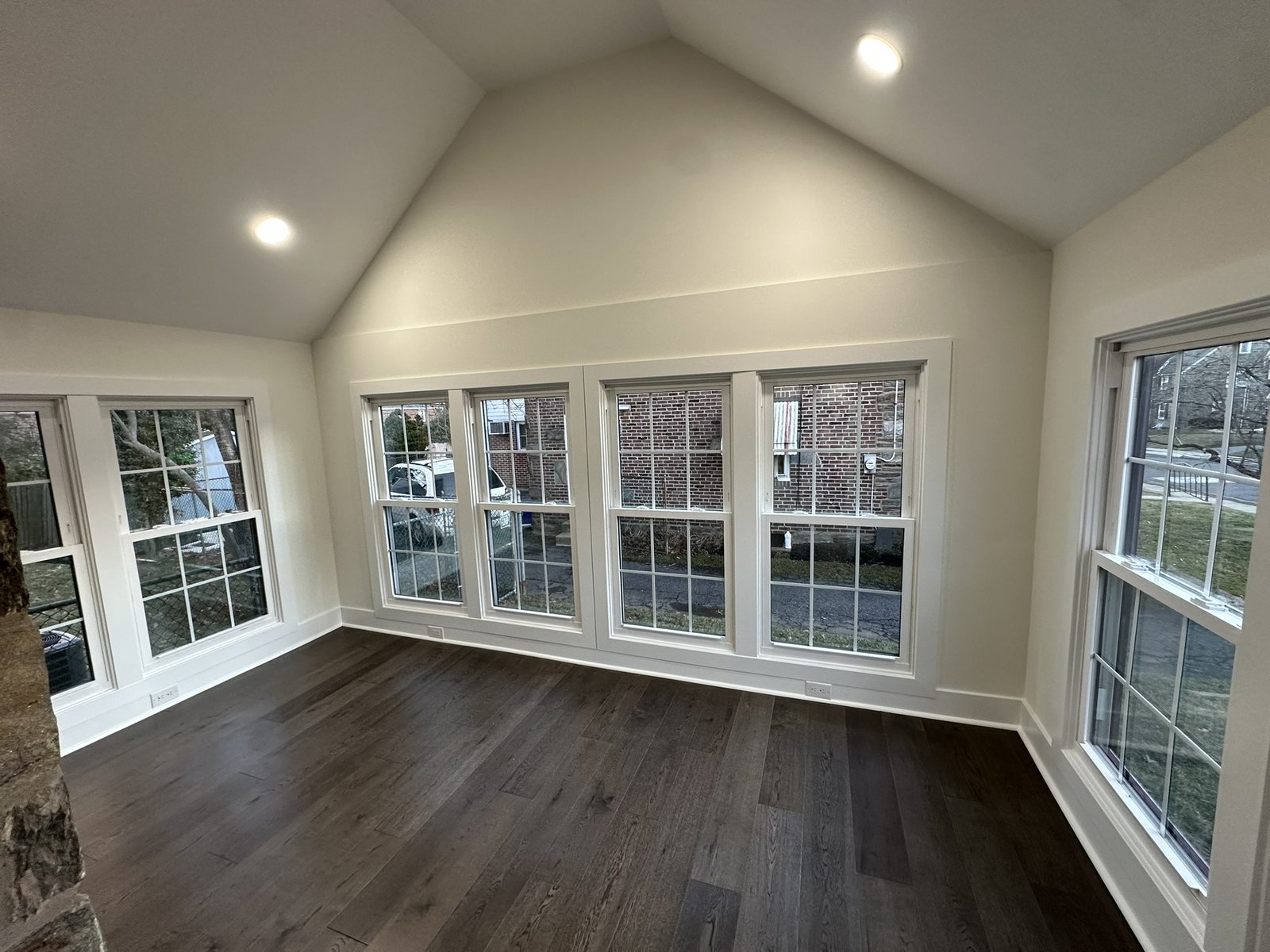 After
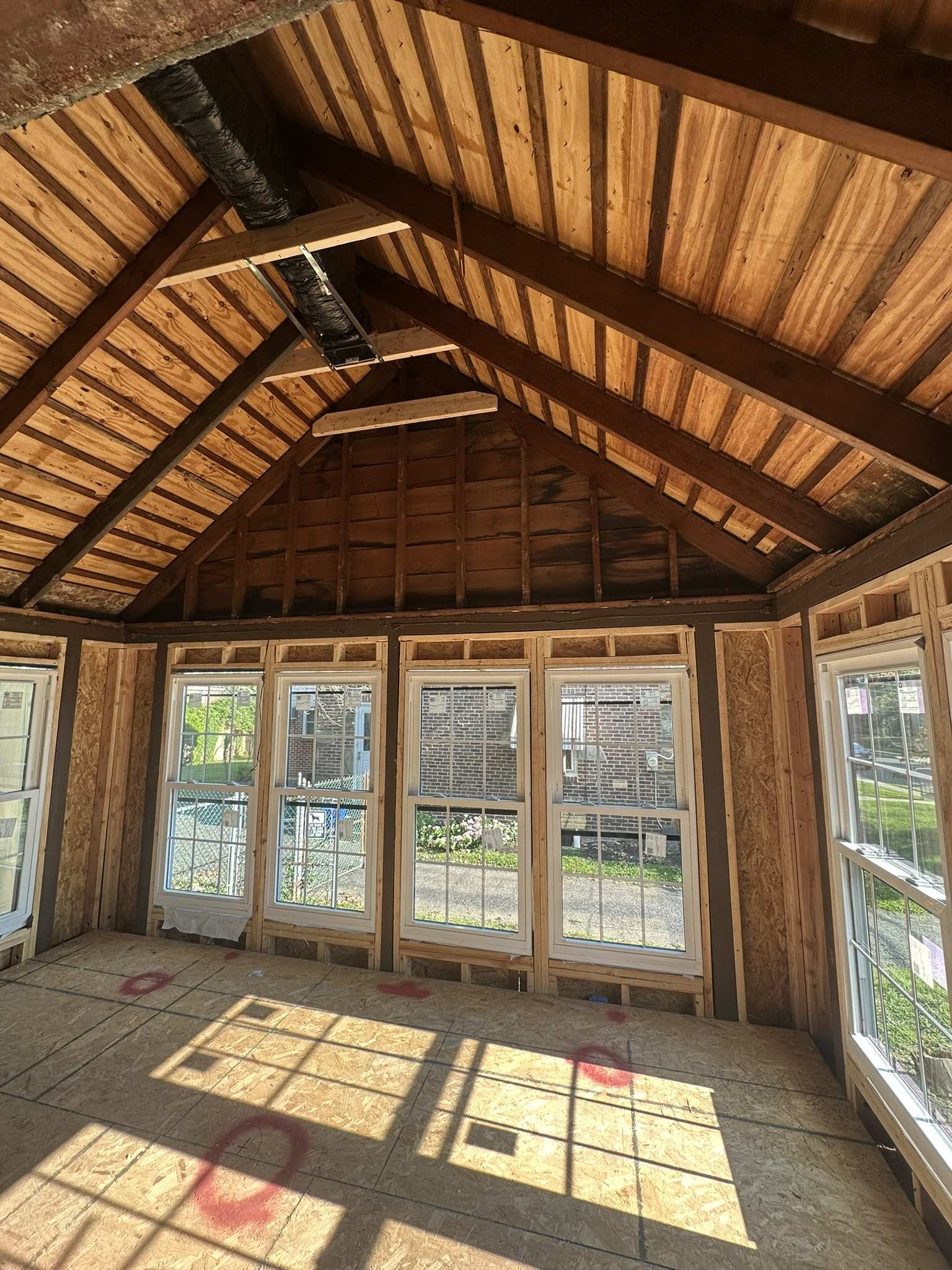 Before
Vaulted Sunroom Reconstruction
From exposed framing and subfloor to a finished room with new drywall, paint, trim and flooring.
 After
 Before
Drywall Finishing and Painting
New drywall installed and finished, then painted.
Project Pricing
What Affects the Cost of Mold Remediation
Every project is different, so an accurate price requires a project review. These are the factors that move the number.
- ✓ The size of the affected area
- ✓ How easy the area is to reach
- ✓ How far contaminated materials extend
- ✓ The source of the moisture and whether it is fixed
- ✓ The protection and containment the project requires
- ✓ The amount of material that has to be removed
- ✓ What needs to be rebuilt afterward
Where We Work
Serving South Jersey From Stratford
Our office is at 28 Homestead Rd in Stratford, and we work with homeowners across Camden County and Burlington County, including Cherry Hill, NJ, Haddonfield, NJ, Moorestown, NJ, Voorhees, NJ, Marlton, NJ, and Medford, NJ.
Not sure your address is in range? Call (856) 668-6964 or send a request.
Why HRF
Why Choose HRF for Mold Remediation
-
Established construction capabilities
Painting, drywall, finishing and carpentry under one family-owned company.
-
Prior mold remediation experience
HRF has performed mold remediation work.
-
Insurance-related project experience
We have worked on insurance-related damage projects.
-
New Jersey HIC registration
NJ HIC# 13VH07742000, registered under our parent company, HRF Cleaning & Construction LLC.
-
Real project evidence
Photos of actual HRF work in our project gallery.
-
Clear estimates and defined scopes
You see what is included, and what is not, before work begins.
Good Questions
Mold Remediation: Frequently Asked Questions
What is the difference between mold removal and mold remediation?
“Mold removal” usually means cleaning up visible mold. “Mold remediation” means handling the whole problem: correcting the moisture source, removing affected materials, and confirming the area is ready to rebuild. There is no single definition, so ask any contractor exactly what is included.
Can you paint over mold?
No. Paint hides a stain but does not remove mold or stop the moisture feeding it, so the problem can return and damage the new finish. Moisture and affected materials have to be dealt with first.
What causes mold to return after cleanup?
Almost always, moisture that was never fixed: a slow leak, condensation, poor ventilation, or water entering through the foundation, roof or windows. Mold can also return if affected material was left in place or gets wet again.
How long does mold remediation usually take?
It depends on the size of the area, access, how much material comes out, drying time, and how much has to be rebuilt. Your written estimate will include a realistic timeline.
Do I need mold testing before remediation?
Often not. EPA says sampling is usually unnecessary when mold is visible; fix the moisture problem and clean up. Testing can help when mold is hidden or you want an independent assessment, and the New Jersey Department of Health recommends a different company for testing than the one doing the remediation.
Does homeowners insurance cover mold remediation?
It depends on your policy and the cause of the damage, so ask your insurer before work starts. A policy may treat remediation and reconstruction differently. HRF has worked on insurance-related projects and provides detailed written estimates and scopes, but we are a contractor, not an adjuster, and cannot say what your insurer will cover.
What affects the cost of mold remediation?
Mainly the size and accessibility of the affected area, how far materials are affected, the moisture source, and what has to be rebuilt. An accurate price starts with a project review and a detailed written estimate.
Can damaged drywall be repaired, or does it need replacement?
It depends. A small stain on a sound, dry wall may only need repair and refinishing. Drywall that has been wet for a long time, is soft or crumbling, or has mold growth often has to be replaced, because absorbent materials are hard to clean completely.
Can HRF reconstruct walls and ceilings after remediation?
Yes. We replace drywall, tape and finish it, apply skim coat or Level-5 finishes, prime and paint, and handle trim and finish carpentry, with insulation and framing repairs where needed. See our drywall repair and interior painting pages.
When should a homeowner contact a professional?
EPA says many homeowners can handle a moldy area under about 10 square feet, and to consult its guidance for anything larger or after significant water damage. New Jersey Department of Health guidance suggests an experienced contractor above 100 square feet and a professional opinion in between. Call sooner for hidden or recurring moisture or suspected HVAC contamination. If water is actively leaking, shut it off if it is safe and call a plumber first. If anyone has mold-related health concerns, talk with a healthcare provider.
Ready to Talk Through Your Project?
Tell us what you are seeing and where. We will review the project, explain what we recommend, and put the scope and price in a detailed written estimate. If testing or another specialist is needed first, we will say so.
NJ HIC# 13VH07742000 · Registered under HRF Cleaning & Construction LLC